नेपालका केहि मुख्य प्रथाहरू
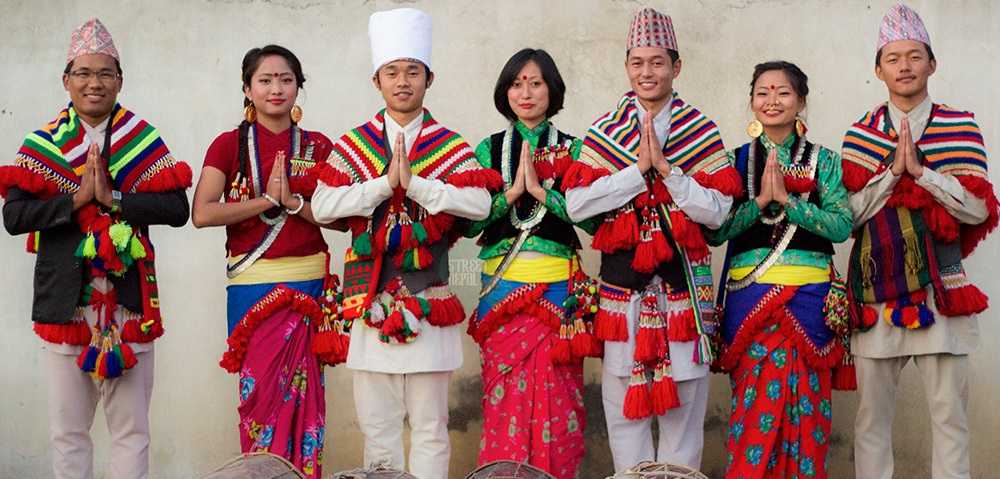
नेपालका केहि मुख्य प्रथाहरू
|
प्रथाको नाम (Name of Tradition) |
प्रचलनमा रहेको स्थान र जाति (Practiced Location and Ethnicity) |
परिभाषा (Definition) |
|
|
देउकी प्रथा (Deuki Custom) |
सुदूरपश्चिमको सेती र महाकाली अञ्चलमा (करिब २०० वर्ष पहिले बैतडी जिल्लाको मेलौली देवीको मन्दिर देवदासी प्रथाको केन्द्र मानिन्छ) (In the Seti and Mahakali zones of the Far-West (about 200 years ago, the Melouli Devi temple in Baitadi district was considered the center of the Devdasi tradition)) |
कसैलाई महारोग लागेमा रोग निको भएमा मुद्धा जितेमा भाकल गर्ने, आफ्नो मनोकामना पुरा गर्न धर्मको नाममा कम उमेरका छोरीलाई मन्दिरमा चढाउने चलन देउकी प्रथा हो। (If someone is afflicted with a serious illness and recovers, wins a case, or to fulfill a wish, it is the tradition of Deuki to offer young daughters to the temple in the name of religion.) |
|
|
खुल्ला प्रथा (Khulla Custom) |
कर्णाली प्रदेशको डोल्पा जिल्लामा (In the Dolpa district of Karnali Province) |
अविवाहित युवाहरू प्रत्येक वर्ष पौष १५ गतेदेखि चैत्र १५ गतेसम्म आफ्नालाई चाहिएको खानदान तथा जातको घरमा पाहुना लाग्छन्। यसरी पाहुना गएको व्यक्तिले बिहान बेलुका खाना तथा बस्नेलाई खुल्ला प्रथा भनिन्छ। (Unmarried youths stay as guests in the homes of relatives and people of their own caste from Poush 15th to Chaitra 15th every year. This tradition of a guest staying and having meals and accommodation in the morning and evening is called Khulla custom.) |
|
|
घोडाघोडी प्रथा (Ghodaghodi Custom) |
कर्णाली प्रदेशको मुगु जिल्लामा (In the Mugu district of Karnali Province) |
लेनेदेने, जारी, कुटुम्बिता, अंशबण्डा आदि समस्या भई झगडा वा विवादमा स्थानीय भद्र भलादमीहरूले दुवै पक्षलाई छुट्टाछुट्टै भाडामा मिलाउने र झगडा मिलाएपछि मध्यस्थकर्तालाई भेटी चढाउने, खुवाउने र फर्किँदा घोडा चढाएर पठाउनु पर्ने प्रथालाई घोडाघोडी प्रथा भनिन्छ। (In case of disputes or conflicts related to transactions, dowry, kinship, inheritance, etc., local elders mediate between both parties in separate rented accommodations. After the dispute is resolved, it is the Ghodaghodi custom to offer gifts and meals to the mediators and send them back on horseback.) |
|
|
भारा प्रथा (Bhara Custom) |
राज्य, भूमिपति तथा सरकारी कर्मचारीहरूले पारिश्रमिक नदिई लिने सेवा वा काम हो। (It is a service or work taken by the state, landlords, and government employees without paying wages.) |
|
|
|
झुमा र ढावा प्रथा (Jhuma and Dhawa Custom) |
नेपालको उत्तरी भागमा बसोबास गर्ने शेर्पा, लामा, लोवा जातिमा (Among the Sherpa, Lama, and Lowa communities residing in the northern part of Nepal) |
तीनवटी छोरी भएमा माइली छोरीलाई झुमा (ब्रह्म कन्या) र तीन वटा छोरा भएमा माइलो छोरालाई ढावा (लामा) बनाएर बौद्ध गुम्बाको सेवा गर्ने चलन छ। (If there are three daughters, the middle daughter is made a Jhuma (Brahmakumari), and if there are three sons, the middle son is made a Dhawa (Lama) to serve the Buddhist monastery.) |
|
|
दाइजो प्रथा (Dowry Custom) |
विशेषतः पूर्वी तराई र मधेशी (Especially in the eastern Terai and Madhesi community) |
विवाहको क्रममा दुलाही पक्षले दुलहा पक्षलाई राजीखुसी, सहमति, दबाब वा अनुग्रह प्रदान नगर्दै नगद, जिन्सी, धन सम्पत्ति र सामग्रीलाई दाइजो भनिन्छ। (In the context of marriage, the cash, goods, property, and materials given by the bride's side to the groom's side without their free will, agreement, pressure, or favor is called dowry.) |
|
|
छाउपडी प्रथा (Chhaupadi Custom) |
विशेष गरी सुदूरपश्चिमका केही जिल्लामा (Especially in some districts of the Far-West) |
महिनावारी भएकी महिलाहरूलाई घरबाट केही टाढा गोठमा राख्ने प्रथा आफ्नो लोग्ने परपुरुष भएको शंकाले विधवा महिलाले नाता नपर्ने पुरुषलाई लोग्ने जस्तै घरमा राख्ने प्रथालाई छाउपडी प्रथा भनिन्छ। (The tradition of keeping menstruating women in a shed some distance away from the house, and the tradition of a widow keeping a non-relative male in the house as a husband due to suspicion of her husband having other women is called Chhaupadi custom.) |
|
|
ढुंग्रो प्रथा (Dhungro Custom) |
भोटे समुदायमा बच्चाको राख्ने बाकस (A box for keeping babies in the Bhote community) |
|
|
|
कमैया प्रथा (Kamaiya Custom) |
मध्य तथा सुदूरपश्चिमका केही जिल्लामा थारु समुदायमा (In some districts of the Mid and Far-West among the Tharu community) |
साहु महाजनबाट ऋण लिएको नतिजास्वरूप साहुको खेतबारीमा विना शुल्क काम गर्ने र ब्याज तिर्नु पर्ने प्रथालाई कमैया प्रथा भनिन्छ। (The tradition of working without wages in the fields of landlords as a result of taking loans from them and having to pay interest is called Kamaiya custom.) |
|
|
सैरेली प्रथा (Saireli Custom) |
सुर्खेत र सल्यान जिल्लामा (In Surkhet and Salyan districts) |
Export to Sheets
|